“These photographs bear witness to the hangings, burnings, castrations, and torture of an American holocaust.”
— U.S. Congressman John Lewis
For decades, photographs of lynchings circulated openly in the United States. They were printed as postcards, mailed through the postal system, sold, traded, and kept. They were recovered from family albums, desk drawers, trunks, and boxes. They were not hidden.
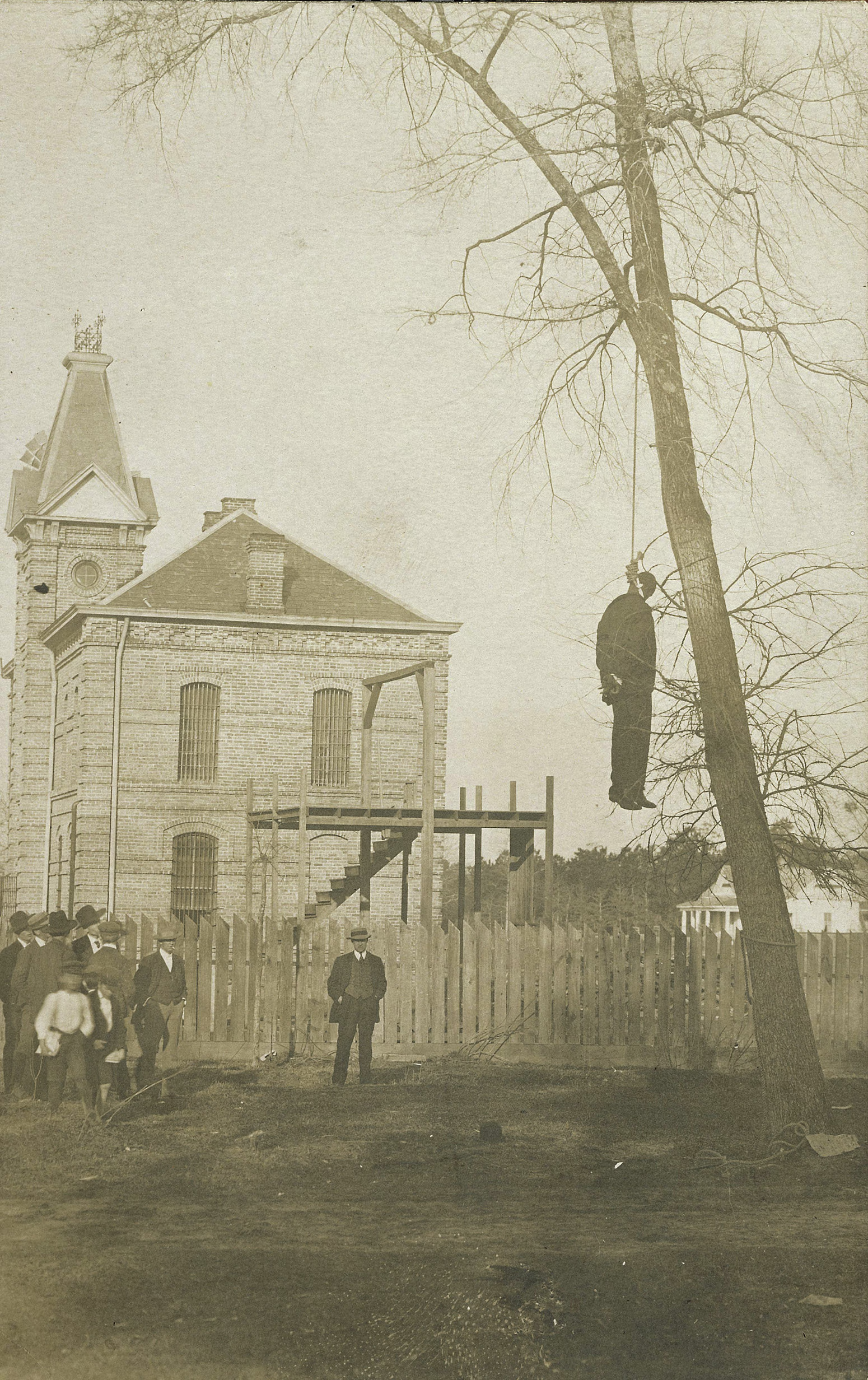
The photographs were made at the scenes of mob killings. The photographers were both hobbyists and professionals. Victims were positioned. The images were composed.
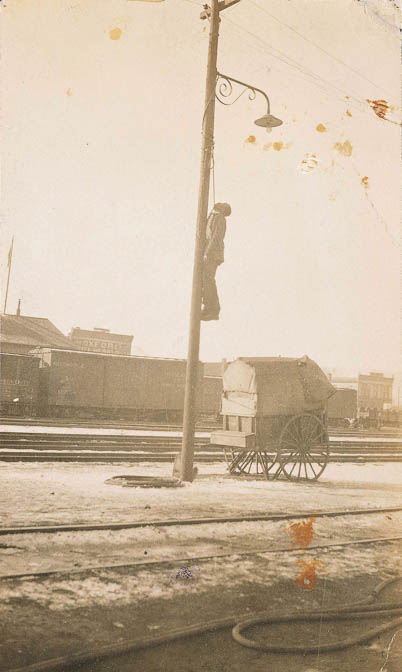
Without Sanctuary brings together this photographic record of lynching in America from the late nineteenth through the mid-twentieth century. The photographs document extra-judicial executions carried out before assembled communities outside of the legal system.
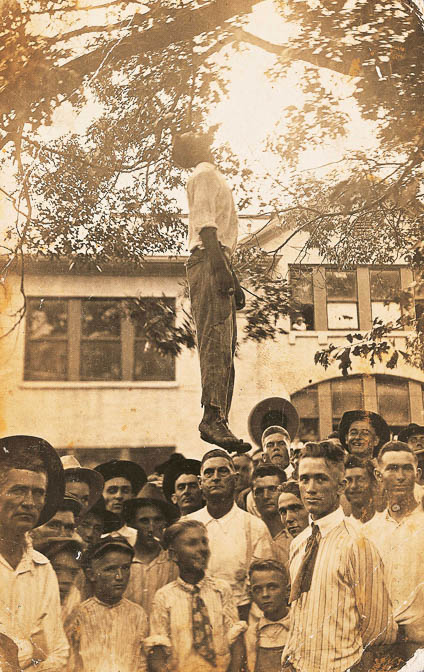
What is missing in these photographs is shame.
Men, women, and children stood beneath bodies hanging from trees, bridges, poles, and purpose-built structures in courthouse yards. Victims were restrained, mutilated, burned, displayed, and photographed. The scenes are deliberate. They are public.
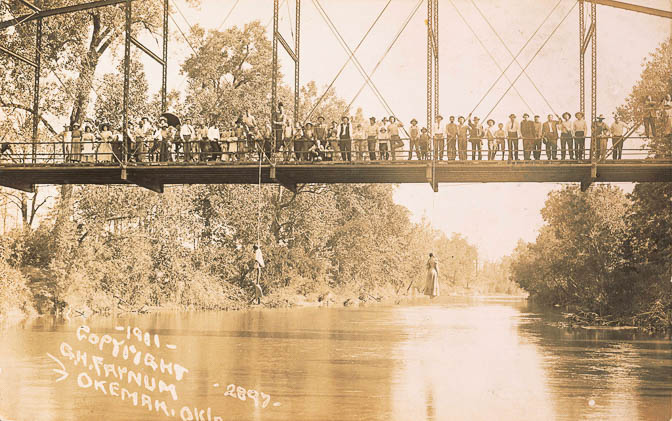

WITHOUT SANCTUARY has remained in print since it was first published in January 2000. The photographs gathered here had not previously been presented together or examined at this scale. Many had circulated privately for decades before appearing in this volume.
James Allen built this collection outside institutional archives, locating the photographs as they surfaced in flea markets, antique shops, and private collections. Many circulated originally as real photo postcards—photographic prints mailed openly through the U.S. Postal Service. At the time, these materials were rarely treated as historical evidence. The collection exists because Allen recognized that, without deliberate preservation, this evidence would disappear.
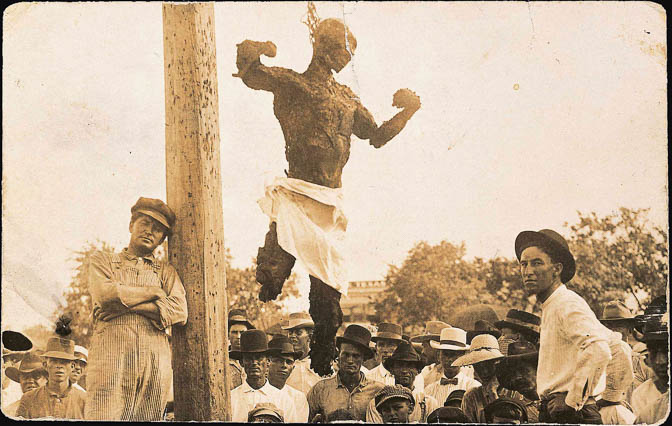
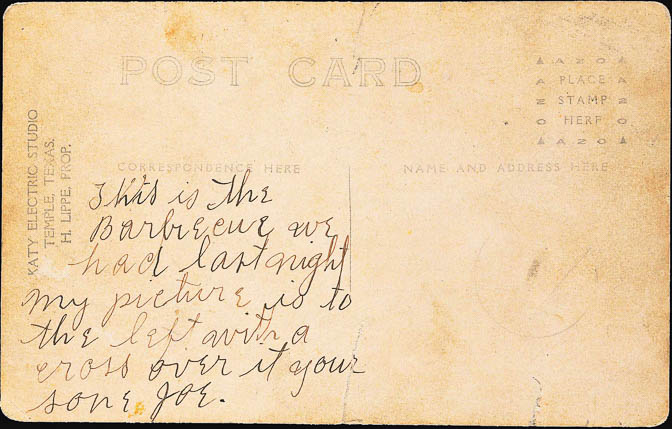
Many photographs record the spectators who gathered to watch and to cheer on the killers. Others record the men who carried out the violence and posed afterward to document what they had done. In these images, the photograph is not a record of aftermath. It is part of the act itself.
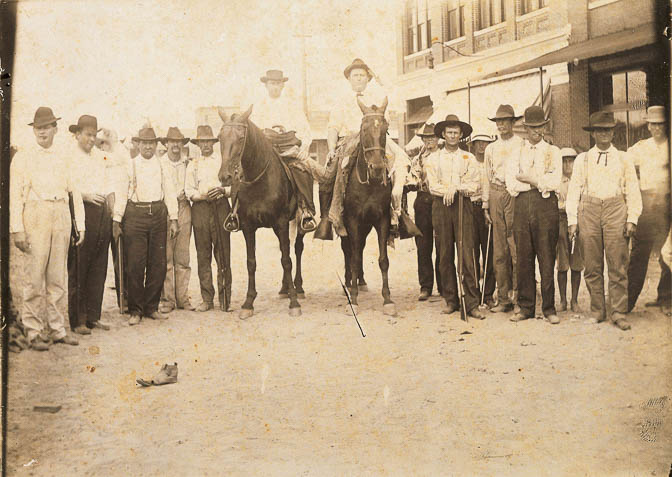
The book includes multiple voices, each approaching the photographs from a different register.
James Allen’s text moves through the photographs as objects with histories, tracing how they circulated, how they were preserved, and how they endured.
Congressman John Lewis’ introduction frames the photographs as a matter of moral reckoning, and insists on confronting a history many still refuse to acknowledge.
Leon F. Litwack contributes a historical essay situating lynching within its social and political framework, examining it as a public practice shaped by ritual, repetition, and consent.
Hilton Als contributes a personal meditation on the act of looking, confronting the psychological weight of the photographs and the ways they continue to shape perception, identity, and memory.
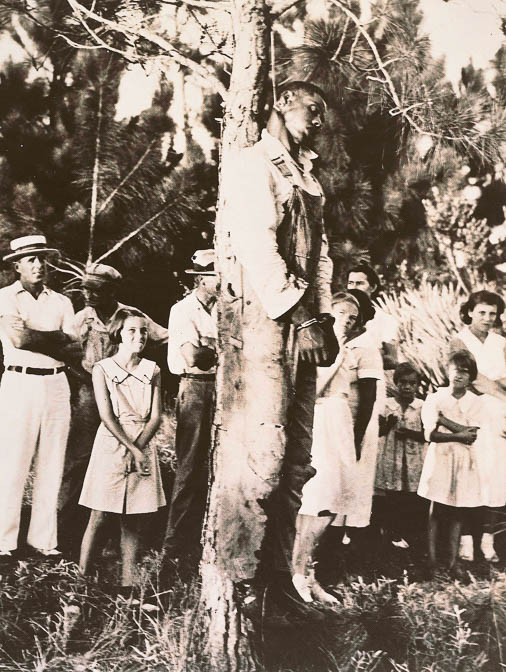
Gelatin silver print. 8 x 10″
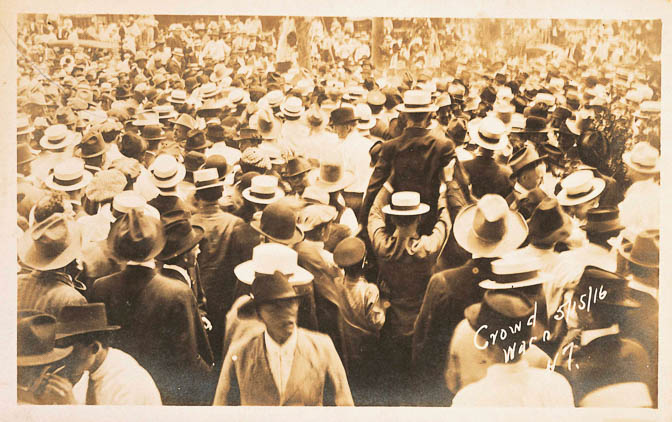
Together, the photographs and texts document a system that was widely visible to those who lived within it. Lynching was witnessed, recorded, and circulated, and the preservation of this photographic evidence allows that history to be seen rather than erased.
“The photographs stretch our credulity… yet they must be examined.”
— Roberta Smith, The New York Times
“These images have not really been part of our photographic and cultural history. Now they’re unavoidable.”
— Christopher Reynolds, Los Angeles Times
“A great and terrible book… an album of peacetime atrocities.”
— Richard Lacayo, TIME
These photographs are American history.
WITHOUT SANCTUARY does not offer distance or resolution. It presents the record and leaves it intact. The images remain. The faces are clear. The evidence endures.
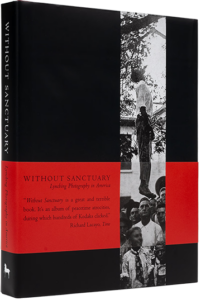

Hand Signed by James Allen, Without Sanctuary: Lynching Photography in America
Shipping is Free
Essays by Congressman John Lewis (Forward), Hilton Als (Contributor), and Leon F. Litwack (Contributor)
Without Sanctuary is 98 four-color plates from the Without Sanctuary Collection of lynchings photographs in America.
isbn: 978-0-94092-69-9
NO SALES TAX unless you are in Georgia
When you purchase Without Sanctuary from this site, you are supporting our effort to keep the hidden history available to everyone to see and remember.
Signed for you by James Allen, Author
FREE Shipping in United States,
International Shipping Available
§
Without Sanctuary
is distributed worldwide by
ARTBOOK | D.A.P.
75 Broad Street, Suite 630
New York, NY 10004
For wholesale, institutional, or trade inquiries, contact:
orders@dapinc.com